Keeping the Stoke Alive: Seth Womble on the Culture, Future, and Accessibility of Foiling
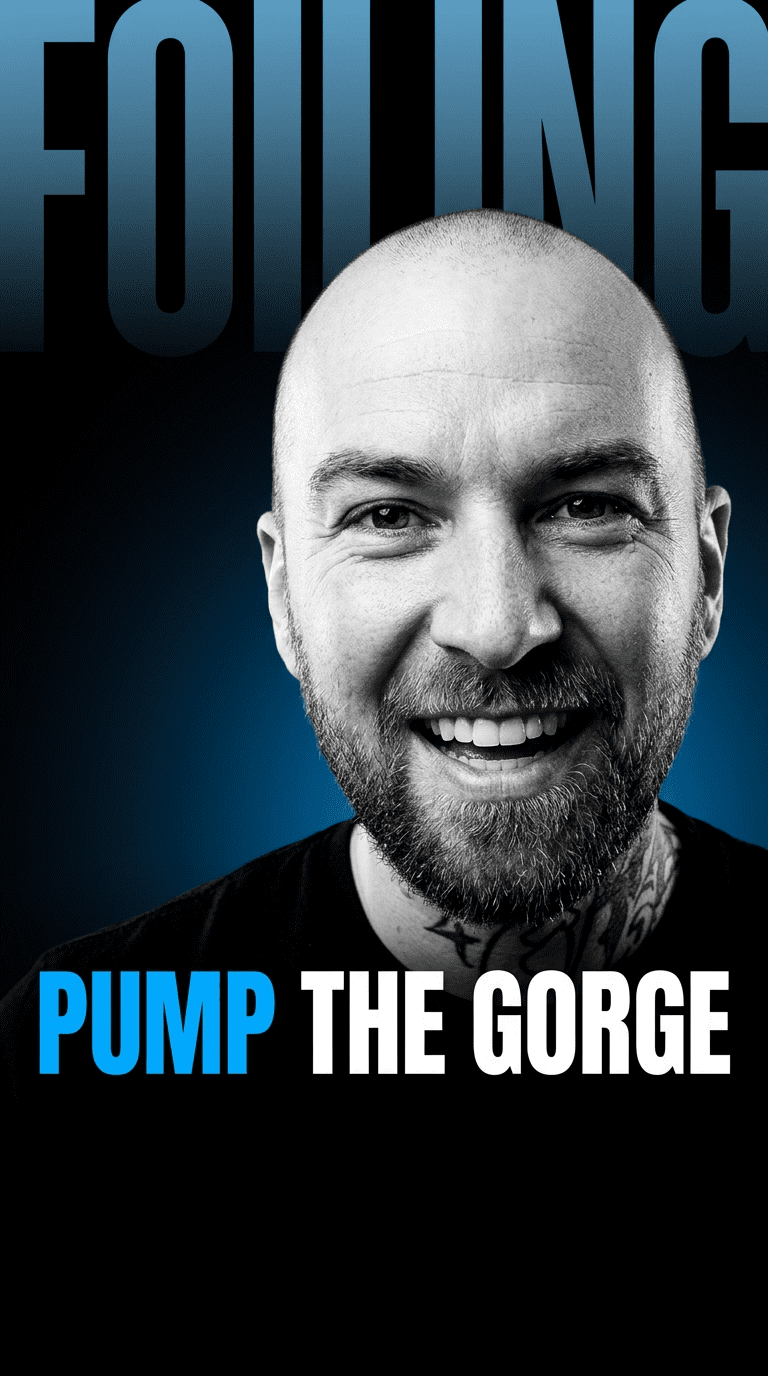
The rapid evolution of all foiling board sports has transformed coastlines and lakes worldwide, bringing a completely new dimension to wind and wave riding. In our latest podcast episode, we sat down with Seth Womble, an artist and avid waterman based on the island of Kauai, to discuss the authentic culture behind the sport. After a progressive neck injury made traditional prone surfing impossible, Seth discovered wing foiling as a way to reconnect with the ocean’s energy. Since scraping together his first borrowed setup, he has immersed himself in the community, eventually becoming a wing foil instructor and recently taking on the role of brand manager for Foil Assist manufacturer Manta Foils
In a refreshingly honest conversation, Seth cuts through the intense technical jargon that often dominates the foiling industry. Instead of focusing purely on elite performance and gear specifications, he shares his vision for a more inclusive, sustainable, and fundamentally fun future for foiling.
Listen to the full conversation below, and dive into the breakdown of Seth’s insights on the state of the sport.
Ditching the Ego and the “Game Changer” Mentality
As foiling technology progresses at a breakneck pace, the marketing language surrounding it has become increasingly aggressive. Seth and his friend, Paka’a Foil owner Jeff Yates have used social media to poke fun at the industry’s obsession with calling every new piece of gear a “game changer,” noting that hyper-focusing on specifications takes the sheer fun out of the experience. While this witty approach is light hearted, it shows an underlying frustration felt by many consumers that we are spending thousands on foiling equipment each year only to be told that the next year’s version is another gamechanger.
Foiling gear is reaching maturity
Development of foiling equipment was on a very steep upward curve for a number of years but now designs have reached maturity and the latest season’s gear is offering an ever diminishing return. Add to that the period of adjustment to any new foiling equipment and, according to Seth, the constant pursuit of the newest equipment can actually hinder the riding experience.
- Early in his foiling journey, Seth accumulated an overwhelming quiver of six foils, multiple boards, and varying components, which resulted in spending up to an hour in the parking lot just trying to decide what to ride.
- He has since simplified his setup to just two boards and two foils, allowing him to maximize his actual time on the water.
- Riders frequently get trapped in a cycle of thinking their gear is obsolete, but Seth emphasizes that if you find a foil you enjoy, you should stick with it and focus on mastering its specific nuances.
Sustainability: Keep Equipment Out of the Landfill
With the explosion of gear production since 2020, the foiling community faces a growing environmental dilemma regarding equipment disposal. Living on an island in the middle of the Pacific with a landfill that is nearing maximum capacity, Seth is highly conscious of material waste.
Adopting a conscious approach to foiling upgrades
Rather than throwing away damaged gear, Seth advocates for a circular equipment economy:
- Refuse Destruction for Warranties: When a brand asked Seth to saw a delaminating board in half to fulfill a warranty claim, he refused. Instead, he negotiated to repair the board, obscure the serial number, and give it away to a younger rider.
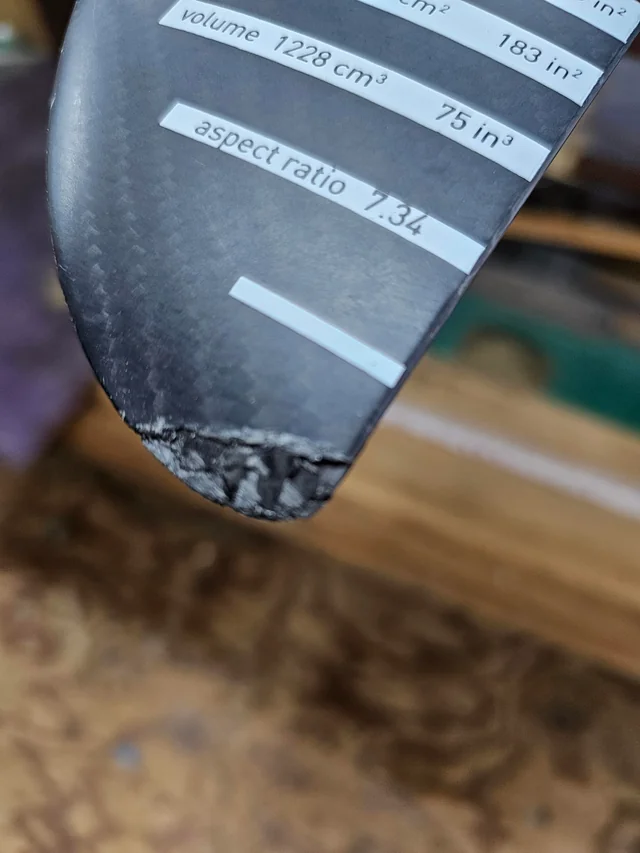
- Learn to Repair: Seth encourages all riders to watch tutorials, learn to work with fiberglass or Carbon fiber and epoxy, and patch up their own boards and foils.
- Pass the Gear Down: Sponsored riders and ambassadors who receive significant discounts should hold onto their older equipment and facilitate giveaways to help newcomers enter the sport.
Who is the best foiler in your area?
The ultimate metric for success in the water is simple: the best rider is not necessarily the most accomplished athlete, but the person who is having the most fun. Seth has witnessed the extreme end of the gear spectrum during a multidisciplinary foiling competition in San Francisco, where he showed up riding standard surf foils while elite racers dominated the course on highly specialized gear.
The experience highlighted how specialized the sport has become, but reinforced his personal preference for the carving and surfing elements of foiling. Most of all, whatever discipline you prefer, wherever you ride, don’t let the pursuit of performance eclipse the sense of wonder at flying silently above the water surface.
Democratizing the all Foiling diciplines
Currently, foiling remains an incredibly expensive pursuit, particularly at the early stages. This heavily skews the demographic toward privileged, middle-aged men. While Seth acknowledges that older generations have been instrumental in mentoring him, he is actively pushing to diversify the lineup by making the sport more accessible to youth and women.
To break down the massive financial barriers, Seth suggests looking at community structures from other disciplines:
- The Club Model: Similar to Australian surf life-saving clubs or local sailing organizations, community foil clubs could provide shared access to entry-level equipment. This would allow people to experience the sport over several weeks without having to purchase a multi-thousand-dollar setup upfront.
- Accessible Beginner Gear: Brands need to continue developing forgiving, user-friendly beginner foils that allow newcomers to progress into the intermediate stages without immediately outgrowing their purchase.
- Teaching Humility: During his lessons, Seth utilizes skateboards to teach wing handling mechanics on land before ever touching the water. He sets the expectation that the goal of the first lesson is simply to return to the beach smiling, noting that highly skilled professional athletes from other sports often throw tantrums when they realize how humbling learning to foil can be.
Foil Assist: Maximizing Weather Windows
Despite his deep roots in traditional surfing, Seth’s perspective on motorized foil assists shifted dramatically after he was forced to take a desk job in a windowless cubicle located just 100 yards from the ocean. Confined indoors during peak wind hours, he realized that a foil assist could guarantee a successful session during incredibly short, marginal weather windows.
Foiling and Respecting Surfers
As the new brand manager for Manta Foils, Seth sees the motor as a versatile tool rather than a replacement for natural wind or wave energy.
- An Ideal Teaching Tool: Foil assists remove the frustration of trying to teach a beginner during inconsistent, fluctuating wind conditions.
- The Ultimate Rule of Etiquette: With the power of an electric motor, foilers can access entirely empty stretches of the ocean. Seth insists there is absolutely no excuse for a motorized foiler to ride in a crowded surfing lineup, stressing that the community must set a precedent of respect and spread out across the water.
Safety on Foil
This abundance of space also naturally limits the danger of the sport. While foils appear intimidating, Seth notes that he sustained far more injuries from traditional surfboard fins than from hydrofoils. However, the ocean remains unpredictable; on one memorable occasion, Seth collided mid-wave with a hammerhead shark, sending him flying over the handlebars before he quickly levitated out of the water and has now started to routinely carry some fundamental safety equipment, including a Tourniquet,
As Wing Foiling, Parawinging, Prone Foil, SUP Foil and Foil Assist gather a broader following we need to work together to ensure that safety of other water users is respected as much as our own safety. The efficiency of the foil means that we need so much less wind or wave power than other disciplines in order to have fun, meaning that foilers have a much bigger playground.
The Future: Building the “Model T” of Foiling
When looking toward the future of the industry, Seth believes the market doesn’t just need more high-end carbon fiber; it desperately needs a standardized, affordable baseline.
The industry’s “golden egg” will be a simplified, highly dependable package tailored for the common rider who only gets on the water occasionally.
Much like the Model T Ford or the Volkswagen Beetle, a single, versatile setup that removes the guesswork from gear selection will be the key to bringing the next massive wave of participants into the foiling community.
What would it look like?
So far in the evolution of foiling boardsports we have seen brands work in isolation of each other with very few industry standards. Aside from a universally accepted 90mm foil track spacing there is very little cross compatibility between brands.
There will be business reasons and design philosophies behind this but there is equally a compelling business argument for a simple, single platform that taps into the next wave of foilers to join the early adopters.
- A simple, stable board that works across at least one discipline. Robustly made and of dimensions that can fit on long haul flights.
- R+D efforts toward entry level equipment that would ensure that it remains easy to use, yet allowing for more progression and performance.
- Every element easily repairable either by users or a network of “Official Repair Centers”
- Obvious gear selection depending on conditions, weight and rider level. (ie. Gybing both ways -> You are ready for second level foil)
- Trade in and refurbishment scheme for upgrades.
This would need a major global brand with an existing dealer network to take the lead.
Who is likely to be the disruptive foil brand to attempt this?
To attempt something genuinely Game-Changing (not just another youtube thumbnail) would be a brave leap for any brand and a huge undertaking. The concept of foiling equipment that stands the test of time flies in the face of conventional wisdom that sees watersports brands continually refresh their last year’s range and push existing products into obsolescence yet a growing number of consumers would value a “one design” approach to simplify their journey while also helping their pocket books.
It is hard to pin a name as to who might be the brand to take such a bold leap, at Five-O we are doing our part by ignoring annual launches and only creating new models where there is a significant shift in use case, performance or user demands but we are only making wings and pocket wings… listen to the podcast to see who we suspect could be the mainstream brand to create the new standard.